
Which service would you like to book?
Lift smart this Christmas: 5 ways to look after your back
Shopping bags, suitcases and the Christmas tree: December is a big month for lifting. Five simple ways to look after your back and shoulders through the festive season.
Shopping bags, suitcases, the esky for the beach, the Christmas tree box from the top shelf of the garage. December is one of the busiest months of the year for lifting and carrying, and it often happens in a rush.
Most of the time our bodies handle it well. But a heavy load, an awkward position and a bit of fatigue at the end of a long day can be a tricky mix. Here are some simple ways to look after your back and shoulders through the festive season.
Why lifting catches people out at Christmas
It's rarely one heavy lift. More often it's a combination of things: lifting more often than usual, reaching into car boots and high cupboards, twisting while holding something, and being a little more tired or rushed than normal. Less sleep and less regular exercise over the holidays can add to it. Healthdirect lists lifting heavy objects when you are not used to it as one of the common triggers for back pain.
5 ways to lift smart this Christmas
1. Get close to the load
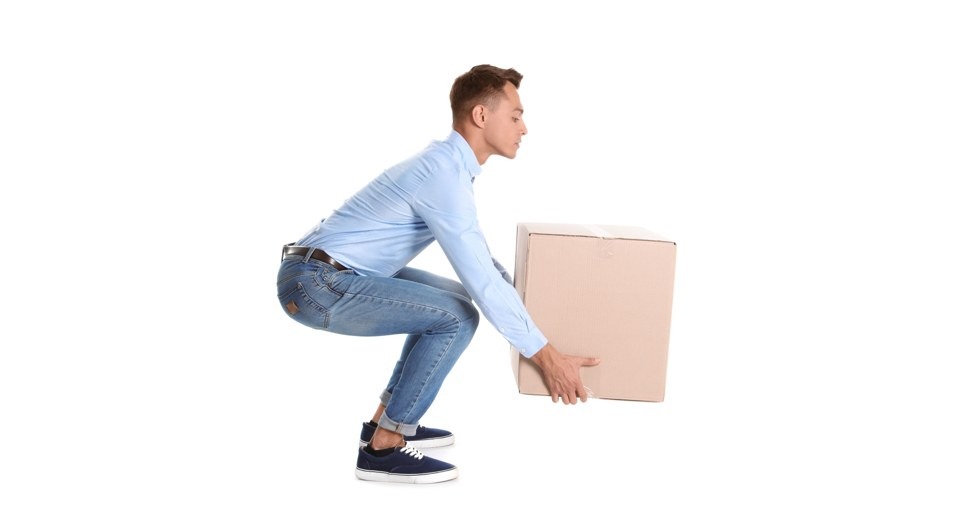
The further something is from your body, the harder your back and shoulders have to work to hold it. Step in close, keep the item near your waist, and keep it there as you lift.
2. Bend at the hips and knees
Squat down to the load rather than reaching down with straight legs. Push up through your legs, keep your chest up, and let your hips and knees share the work.
3. Turn with your feet, not your back
Twisting while holding something heavy is a common trigger for a sore back. Once you've lifted, move your feet to change direction so your shoulders and hips turn together.
4. Split the load
Two lighter bags, one in each hand, are easier to carry than one heavy bag on one side. Make two trips from the car, and ask for a hand with anything bulky, like the tree, a suitcase or the esky.
5. Use a step for anything above shoulder height
Reaching overhead for a heavy box puts your back and shoulders in a tricky position. Grab a sturdy step ladder so you can lift from closer to chest height, and pass things down to someone where you can.
Car boots, suitcases and the Christmas tree
- Car boots: slide items to the edge of the boot first, then lift them out close to your body.
- Suitcases: lift with two hands and bent knees, then wheel them rather than carry them where you can.
- The tree: it's a two-person job. One person each end, and walk it in together.
If something does flare up
If your back or shoulder is sore after a big day of lifting, gentle movement within comfort, like walking, is usually better than complete rest. If pain is sticking around, getting worse, or stopping you from doing everyday things, it's worth having it assessed. Our guide on when to see an osteopath for back pain can help you decide.
Seek medical advice promptly if you have pain after a fall or accident, numbness or pins and needles in your legs, weakness, or any changes to bladder or bowel control.
At HealthState, our osteopaths take a whole-person approach. An appointment includes a chat about what happened, an assessment of how you're moving, and a plan that suits you. Depending on what's appropriate, that may include hands-on treatment such as soft tissue work and joint mobilisation, dry needling, and exercises to help you get back to your usual activities.
Find out more about how we help with back pain.
Book online: https://www.healthstate.com.au/book-now
Call or text: 0404 001 172
Clinics: Midland, North Perth & Mundaring
This article is general information only and isn't a substitute for advice about your own health. Please speak to a health professional about your individual situation.



Copy link to clipboard