
Which service would you like to book?
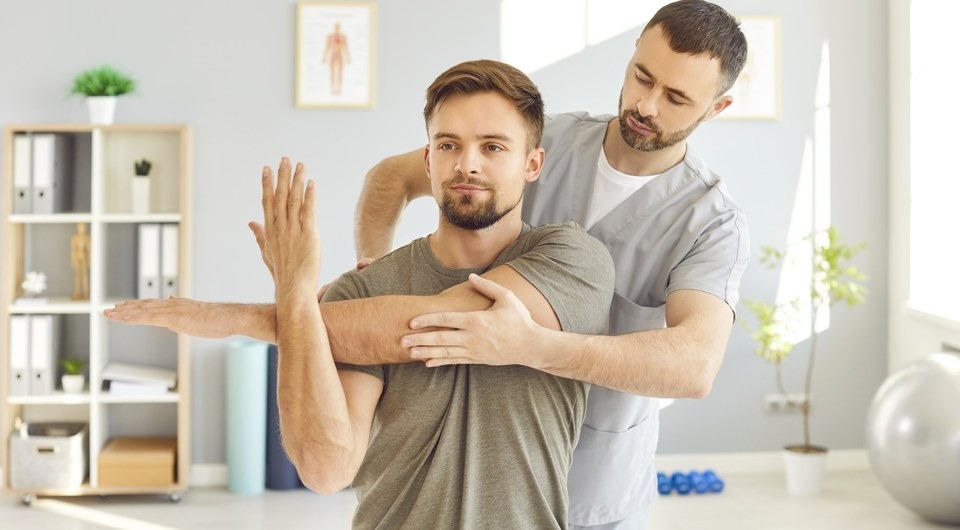
One appointment, many techniques: what your osteopath may use
Soft tissue work, joint mobilisation, dry needling, cranial techniques and rehab exercises: what each one involves, and how your osteopath chooses what suits you.
Many people think of osteopathy as "the one where they crack your back". In reality, osteopaths train in a wide range of hands-on and active techniques, and choose the ones that suit you, your body and your goals.
That means in one appointment, you may have soft tissue work, joint mobilisation, dry needling and a few exercises to take home, all from the same practitioner who has assessed how your whole body is moving.
A whole-person approach
New to osteo? Start with what is osteopathy. Osteopathy looks at how the body works as a connected system. A sore shoulder might be linked to how you sit at work, how your upper back moves, or an old ankle injury that has changed how you walk. So your osteopath will usually look beyond the spot that hurts to understand what's going on.
Techniques your osteopath may use
Not every technique suits every person, and you can always ask your osteopath to explain what they're doing and why, or to use a different approach. Depending on your assessment, treatment may include:
Soft tissue techniques
Hands-on work on muscles, tendons and fascia, similar to massage techniques, to help with muscle tightness and comfort.
Joint mobilisation and manipulation
Mobilisation uses gentle, repeated movements of a joint. Manipulation is a quick, small movement that sometimes makes a "click". Your osteopath will only use manipulation if it's appropriate for you and you're comfortable with it.
Dry needling
Fine, single-use needles are placed into specific points in a muscle. It may be used alongside other treatment for muscle tightness. Your osteopath will talk you through it first. Read more about dry needling at HealthState.
Cranial and gentle techniques
Some people prefer a lighter approach. Gentle techniques, including cranial osteopathy, use soft, sustained holds and subtle movements. Learn more about biodynamics and cranial treatment.
Rehab and home exercises
Treatment doesn't stop when you leave the clinic. Your osteopath may give you stretches, strengthening or movement exercises to keep things moving between appointments.
Advice for everyday life
Small changes to your desk set-up, sleep position, training load or how you lift can make a difference. Your osteopath can help you work out what's practical for you.
What happens at your first appointment
- A chat: about your health history, what's bothering you, and what you'd like to get back to.
- An assessment: of how you move, including areas beyond where it hurts.
- Treatment if appropriate: using the techniques that suit you, with your consent.
- A plan: including any exercises or advice to take home.
Wear comfortable clothes you can move in. If you have private health insurance with extras cover, you may be able to claim on the spot, depending on your level of cover.
Book an appointment
HealthState has clinics in Midland, North Perth and Mundaring. Practitioners work different days at each clinic, so book online to see who's available where.
Book online: https://www.healthstate.com.au/book-now
Call or text: 0404 001 172
This article is general information only and isn't a substitute for advice about your own health. Please speak to a health professional about your individual situation.



Copy link to clipboard